
Brisa Aesthetics • Weymouth, MA
LúmEnvy PDRN skin care in Weymouth, MA
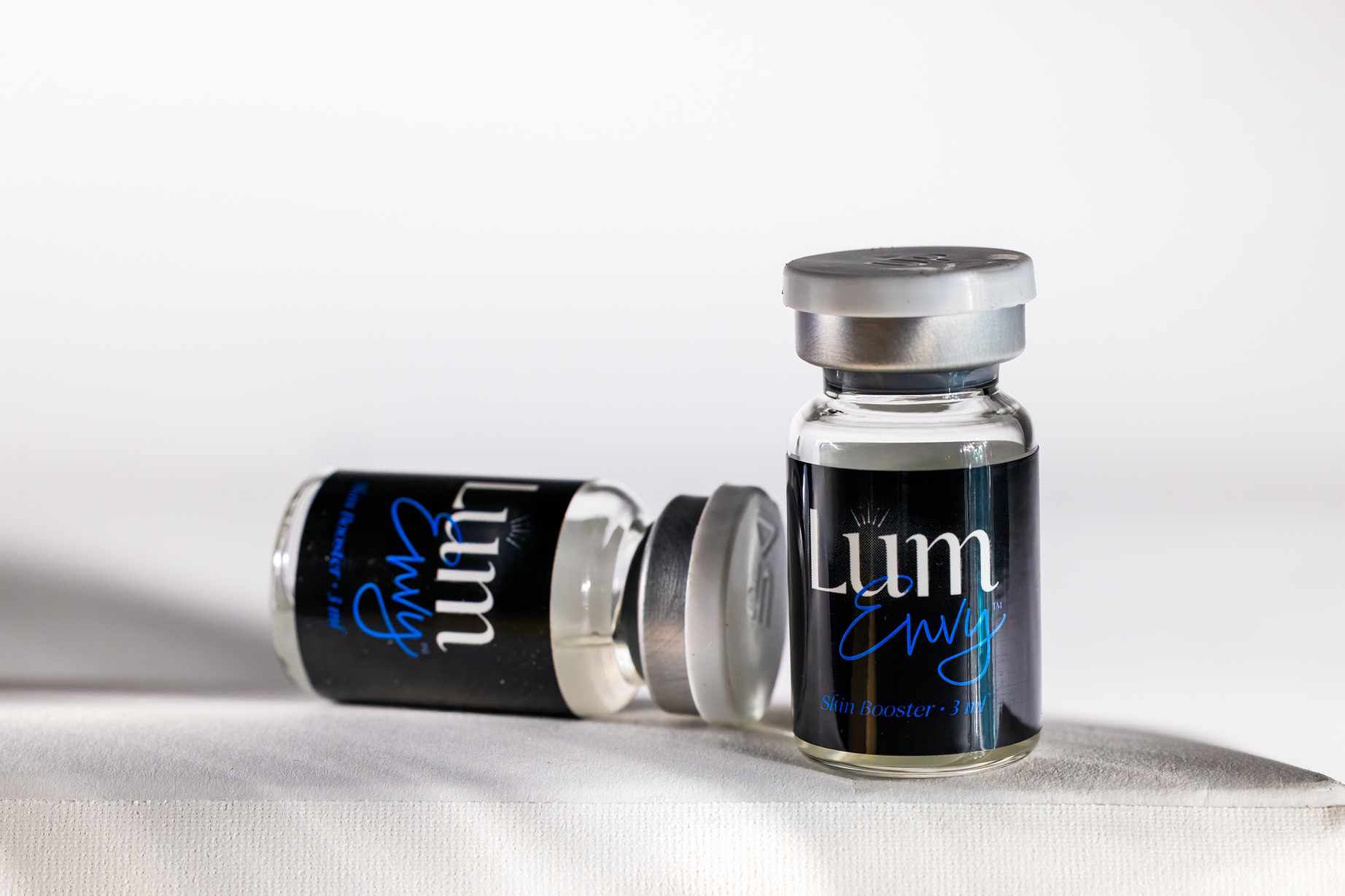
Explore LúmEnvy at Brisa Aesthetics in Weymouth. PDO Max describes this PDRN-containing formulation as a topical cosmetic product. A skin-care consultation can help you understand its intended role, ingredients, and suitability for your goals.
What is PDRN?
The Science-Backed Ingredient Your Skin Has Been Waiting For
PDRN stands for polydeoxyribonucleotide, a term used for certain DNA-derived materials. Research has explored these materials in different settings, but the formulation and route of use matter. Studies of another preparation or medical application do not establish that a particular topical cosmetic produces the same outcome.
How Does PDRN Work?
When reviewing a PDRN-containing cosmetic, ask questions that connect the ingredient to the actual product and use:
- What evidence applies to this particular formulation?
- Is the goal cosmetic appearance or treatment of a medical condition?
- How is the product intended to be used?
- What are the limitations and possible skin reactions?
A scientific-sounding ingredient description is not a substitute for product-specific evidence and realistic expectations.
Questions to bring to a skin-care consultation
LúmEnvy is identified by its manufacturer for topical and cosmetic use. If you are exploring skin care, describe which concerns you want assessed:
- Changes in surface texture
- Visible fine surface lines
- Redness or marks that may need a separate diagnosis
- Care planning around a recent device procedure
- Dryness, sensitivity, or an uncomfortable skin barrier
- A dull-looking complexion
- Whether a medical skin condition needs treatment first
A topical cosmetic should not be expected to provide filler-like volume or to treat an underlying skin disease.
Is PDRN Safe?
Safety must be considered for the actual product, route, skin condition, and any accompanying procedure. Irritation and allergy remain possible. Research involving a different preparation does not establish that every PDRN product is safe for every person.
How We Use PDRN at Brisa Aesthetics
Ask the team how a LúmEnvy topical skin-care appointment would fit your current routine. Review ingredients, sensitivity, recent treatments, and the intended benefit. A cosmetic product should not be described as an injectable regenerative therapy.
What Makes Lumenvy™ Special?
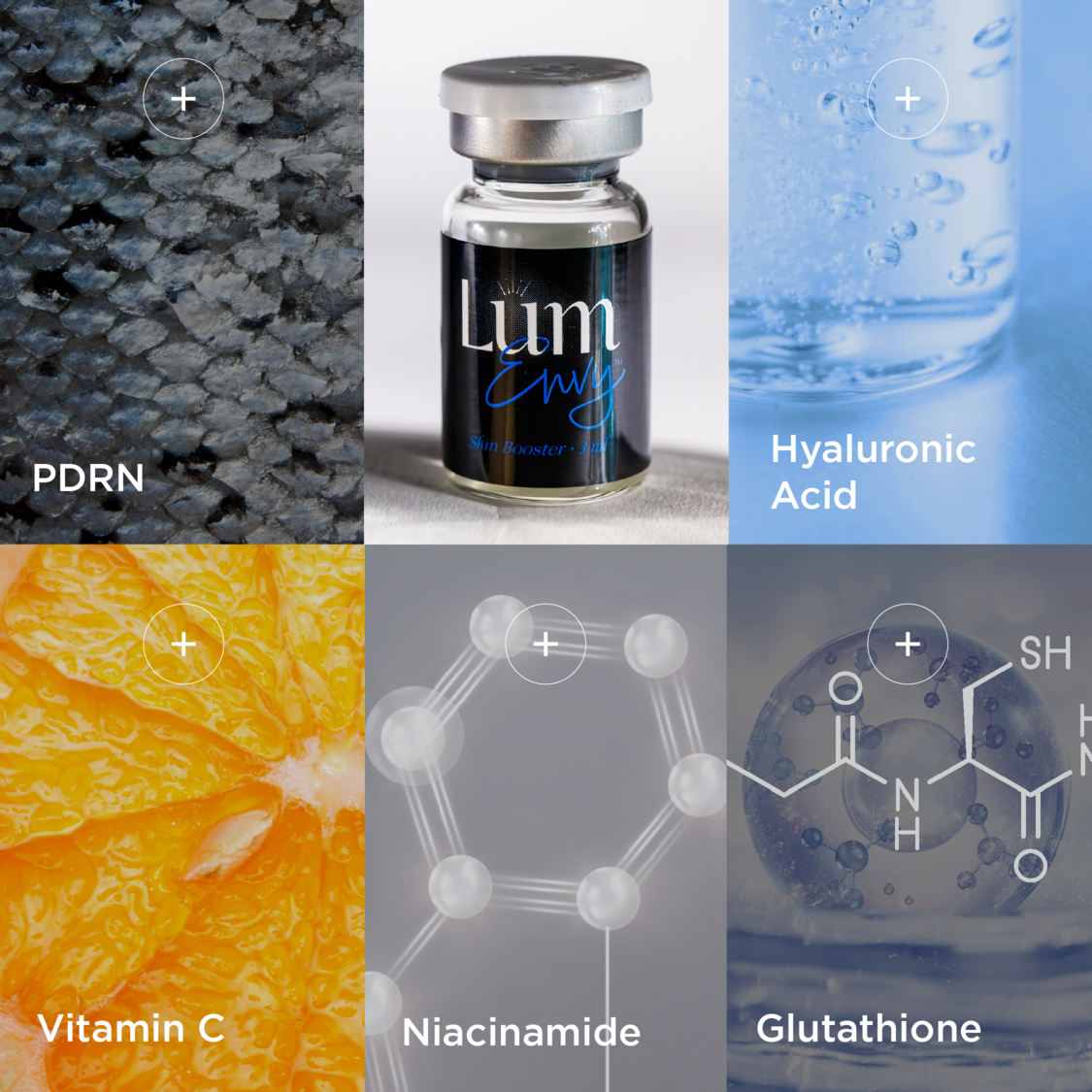
Ask your provider to review the manufacturer’s current ingredient list and topical-use instructions, including:
- The PDRN-containing formulation and its cosmetic purpose
- Hydration-related ingredients
- Other components that may affect suitability
- Ingredients relevant to your sensitivities or allergies
- The appropriate role of the product within a skin-care plan
Skin concerns to discuss
- A dull-looking complexion; inflammation needs assessment
- Persistent redness or pigmentation that may need medical care
- Loss of elasticity
- Dehydration
- Acne or barrier irritation that may change treatment suitability
- Timing around laser or RF treatment
- Sensitive skin or a diagnosed skin condition
The proposed application area should follow product instructions and an individual assessment. Delicate skin is not automatically suitable simply because a product is described as gentle.
Why Brisa Aesthetics Loves Lumenvy
A considered skin-care plan should explain the intended benefit without promising accelerated healing or guaranteed regeneration. Discuss the role of the topical product separately from any procedure and ask what evidence supports the combination.
Treatment Plan
Best results are seen with a series of 2–4 treatments spaced 3–4 weeks apart. Maintenance is recommended every few months depending on your skin goals.
Minimal downtime—just a little redness or pinpoint bumps that fade quickly.
Lumenvy™ in Action
Ready to Try PDRN Skin Boosters in Weymouth, MA?
If you would like to explore LúmEnvy, begin with a consultation about your skin and current routine. We can discuss cosmetic goals, product instructions, possible irritation, and whether another approach would better fit your needs.
Lumenvy™ + PDRN FAQ
Elevated answers, zero overwhelm—so you can book with confidence.
What is PDRN and why is it used in skin boosters?
Does Lumenvy™ add volume like filler?
How many treatments do most people need?
What’s the downtime?
Can I pair Lumenvy™ with Morpheus8 or microneedling?
Is PDRN safe?
• Review (mechanisms + evidence in dermatology/wound healing): Korean Medical Journal review
• Systematic/critical discussion of polynucleotides in aesthetics: Springer review
• Anti-aging / mechanisms overview: ScienceDirect review
• Applied sciences review including wound-healing approvals context: MDPI review
PDRN interest deserves product-specific information.
Research about an ingredient is not automatically evidence for every cosmetic product containing it. With LúmEnvy, the useful questions are about the actual formulation, intended topical use, your skin concern, and any procedure proposed alongside it.
PDO Max identifies LúmEnvy as a topical cosmetic product. It should not be described as an approved injectable treatment or a treatment for disease. A consultation should distinguish its cosmetic role from medical claims about wound healing, rosacea, or tissue regeneration.
Clarify the goal
Explain whether you want a more hydrated feel, a smoother-looking surface, or help choosing a skin routine. Persistent redness, acne, or an irritated barrier may require assessment before cosmetic treatment. The word “regenerative” is not a diagnosis and does not explain whether a particular serum fits your concern.
Review sensitivity and ingredients
Tell your provider about allergies, products that have caused reactions, and current prescriptions. Ask to review the formulation and instructions, especially if you are concerned about the source of an ingredient. A product described as gentle can still cause irritation or an allergic reaction in an individual person.
Plan the full appointment
If another procedure is proposed, ask which aftercare applies to the combination. Microneedling, RF treatments, and a topical serum do not share one universal recovery schedule. The FDA has not authorized microneedling devices to deliver cosmetic products into the skin, so a proposed pairing needs a separate explanation.
Use evidence in the right context.
Studies of polynucleotides or PDRN may involve different materials, routes, doses, populations, and medical conditions. They cannot be treated as proof that this particular topical cosmetic will produce the same result. Ask which claims concern the product itself and which are background research on an ingredient.
Likewise, a cosmetic product should not be expected to add structural volume or duplicate a thread lift. If you want contour change, substantial tightening, or treatment of a skin disease, discuss those goals openly so a different assessment can be considered. A clear explanation of limits helps you choose an appointment with confidence.
A few more things to know.
Explore the details, then bring your own questions to your consultation.
Does ingredient research prove the results of this serum?
No. The formulation, use, and patient population matter. General research can provide context, but product-specific claims need appropriate support. Ask what evidence applies to the actual treatment being offered.
Is LúmEnvy intended for injection?
The manufacturer describes it as for topical and cosmetic use. Do not assume that calling it a skin booster makes it an injectable product. Clarify the route and any off-label combination before deciding on treatment.
Can I expect it to treat rosacea or heal a wound?
It should not be presented as a substitute for medical treatment of those conditions. Persistent redness, open skin, or a nonhealing area requires an appropriate clinical assessment. Cosmetic goals and disease treatment need different evidence and care.
Book Online
Book Your Lumenvy™ Treatment
Explore a personalized skin-care conversation with clear expectations and a plan suited to your skin.